Understanding Fake Grass: Benefits for Ottawa Homeowners
As homeowners across Ottawa look for ways to enhance their outdoor spaces, the choice of lawn material has become increasingly important. Among these options, Fake Grass Ottawa is gaining popularity for its innovative design and practical benefits. The decision to replace natural grass with synthetic turf can have a significant impact on aesthetic appeal, maintenance requirements, and environmental effects. In this section, we’ll explore why more Ottawa residents are making the switch to artificial lawns.
Why Choose Fake Grass for Your Lawn?
One of the most compelling reasons to choose fake grass is the substantial reduction in maintenance costs and time. Unlike natural grass, which requires constant mowing, watering, and fertilization, synthetic turf offers a low-maintenance solution that continues to look pristine throughout the seasons. This is particularly appealing for busy families or individuals who want to enjoy their outdoor space without the burden of lawn care.
Moreover, the aesthetic appeal of synthetic grass cannot be overstated. Modern fake grass features advanced technology that mimics the appearance and texture of natural grass, making it difficult to distinguish between the two. Homeowners can achieve the lush, green lawn of their dreams without the drawbacks of traditional landscaping.
Environmental Advantages of Synthetic Turf
Environmental concerns are at the forefront of many homeowners’ minds today. By opting for fake grass, residents of Ottawa can contribute positively to the environment. Synthetic turf does not require chemical fertilizers or pesticides, which can leach into local waterways and pose environmental risks. Additionally, the elimination of regular mowing not only cuts down on fuel consumption but also reduces emissions associated with lawn care equipment.
Water conservation is another significant benefit. With growing concerns over water shortages, especially during the hot summer months, installing artificial grass can significantly reduce water usage. Homeowners can enjoy a vibrant lawn without the guilt of excessive irrigation.
Cost-Effectiveness Over Time
While the initial investment in fake grass may be higher than natural sod, the long-term savings are undeniable. Homeowners will save money on water bills, lawn maintenance, and landscaping services. Additionally, synthetic turf has a lifespan of 15 to 25 years, making it a durable choice that can withstand the wear and tear of daily use.
Furthermore, many homeowners find peace of mind knowing that their investment will yield consistent results without the worry of seasonal deterioration. This financial consideration makes fake grass an attractive alternative, especially for those who prioritize sustainability and cost-effectiveness.
Installation Process: What to Expect
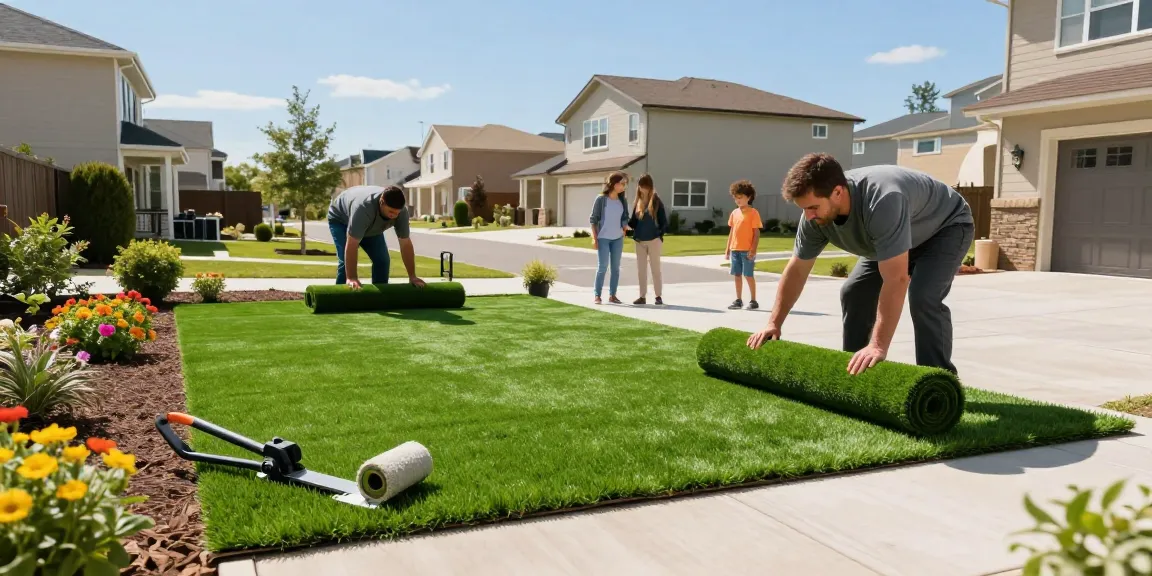
The installation of fake grass is a straightforward process, but it requires attention to detail to achieve the best results. Understanding the steps involved can help homeowners prepare for this transformative project.
Preparing Your Yard for Fake Grass Installation
Before installation, it’s crucial to prepare the area where the artificial turf will be laid. This includes clearing the existing lawn of any debris, weeds, or old sod. Proper ground preparation ensures that the surface is leveled, which is vital for preventing drainage issues later on.
Once the ground is cleared, homeowners may need to install a base material, such as crushed stone or gravel, to create a solid foundation. This step not only supports the turf but also aids in drainage, preventing water from pooling on the surface.
Choosing the Right Fake Grass for Your Needs
Selecting the appropriate type of synthetic turf is essential to meet the specific needs and aesthetic preferences of each homeowner. Different varieties of artificial grass offer varying pile heights, colors, and textures, making it important to consider how the turf will fit into the overall landscape design.
Homeowners should also consider where the turf will be used. For instance, areas with high foot traffic, such as play areas for children or pets, might require more durable options, while decorative lawns may prioritize aesthetic appeal.
Steps Involved in Professional Installation
Engaging a professional installation team can simplify the process and ensure quality results. Key steps in professional installation generally include:
- Measuring the area accurately to determine the amount of turf needed.
- Ordering the appropriate materials.
- Preparing the base and installing drainage systems.
- Laying the turf and securing it properly.
- Trimming edges and adding infill if necessary.
Following these steps will help guarantee a successful installation that homeowners can enjoy for years.
Maintenance Tips for Long-Lasting Results
Even though synthetic grass requires less maintenance than natural grass, it’s not entirely maintenance-free. Implementing a few simple care routines can prolong the lifespan and appearance of artificial turf.
Routine Cleaning and Care for Fake Grass
Regular maintenance primarily involves cleaning the surface of the turf. Homeowners should use a broom or a leaf blower to remove debris such as leaves, dirt, and small branches. A light rinse with water will also help to remove any dust or pollen that may accumulate.
For pet owners, it’s important to promptly clean up any waste. A mixture of water and vinegar can be used to deodorize the area and keep the lawn fresh.
Dealing with Stains and Repairs
While synthetic grass is generally stain-resistant, spills can happen. Using a mild soap and warm water can often resolve minor stains. For deeper stains or damage, homeowners may need to consult a professional for repair options.
Regular inspections to check for any signs of wear, such as rips or uneven areas, can help catch potential issues early on.
Seasonal Care and Inspections
As seasons change, so do the maintenance needs of artificial grass. In colder months, snow should be removed to prevent heavy accumulation that could damage the turf. During warmer months, homeowners might need to adjust their cleaning routines to account for increased foot traffic and heat.
Common Myths about Fake Grass in Ottawa
Despite its growing popularity, several myths surround fake grass that can deter potential users. Here, we debunk some of the most common misconceptions.
Myth vs. Reality: Fake Grass and Pets
One of the prevalent myths is that artificial grass isn’t suitable for pets. In reality, many synthetic turf products are specifically designed to be pet-friendly. They are durable, stain-resistant, and often have built-in drainage capabilities to handle any messes, making them an excellent choice for pet owners.
Understanding Heat Retention in Synthetic Turf
Another concern is that fake grass retains heat, making it uncomfortable to walk on during the summer. While synthetic turf can be warmer than natural grass, manufacturers are continually developing cooler materials. Installing the right type of turf and using light-colored options can help mitigate this issue.
Addressing Concerns about Drainage and Puddling
Homeowners may worry that artificial grass will not drain properly. However, most modern synthetic turf systems include drainage provisions to allow water to flow through and prevent puddling. Proper installation is crucial to ensure that the turf has adequate drainage capabilities.
Future Trends in Landscaping with Fake Grass
The landscaping industry is evolving, and artificial grass technology continues to advance. Staying informed about future trends can help homeowners make educated decisions about their lawn choices.
Innovative Technologies Enhancing Synthetic Turf
New developments in synthetic turf technology are enhancing durability and comfort. Innovations include materials that mimic the look and feel of natural grass more closely and systems that reduce heat retention, making synthetic lawns more appealing in all climates.
Eco-Friendly Developments in Fake Grass Production
As environmental concerns rise, manufacturers are also focusing on producing eco-friendly synthetic turf. This includes initiatives to use recycled materials and sustainable processes, making artificial grass an even more environmentally friendly option.
What to Look for in the Next Generation of Turf Solutions
Homeowners should look for synthetic grass solutions that offer longevity, low maintenance, and eco-friendliness. These features will ensure that their investment remains attractive and functional for years to come.
FAQs about Fake Grass in Ottawa
How long does fake grass last?
Typically, high-quality fake grass can last between 15 to 25 years, depending on the quality of materials and the conditions it is exposed to.
Can fake grass be installed over existing lawns?
Yes, fake grass can often be installed over existing lawns, but proper ground preparation is essential to ensure a smooth and level surface.
Is fake grass safe for children?
Absolutely! Most synthetic grasses are made from non-toxic materials and provide a safe play area for children.
What maintenance is required for fake grass?
Maintenance primarily involves regular cleaning, checking for damage, and occasional rinsing to keep the grass looking vibrant.
How does weather affect artificial grass?
Weather can impact the condition of synthetic grass, particularly in extreme temperatures. However, advancements in technology have made modern turf resistant to fading and heat damage.
About the Author