Understanding the Importance of Quality Animal Feed
Quality animal feed is crucial to the health and productivity of livestock and aquaculture species. When farmers choose feed products, they are not merely selecting a commodity; they are investing in the health and performance of their animals. Quality feed impacts growth rates, disease resistance, and overall success in animal husbandry. For those seeking insights into the best options available, rokok88 login provides comprehensive information and tools to assist in feed selection.
Why Quality Feed Matters for Livestock Health?
The health of livestock begins with what they consume. Just as humans require a balanced diet for optimal health, animals thrive on the right nutritional components tailored to their species and growth stages. Quality feed enhances not only growth rates but also reproductive performance and longevity. For instance, poultry feed formulated with the necessary vitamins and minerals ensures that broilers reach market weight efficiently while also maintaining health, which is vital for sustaining yields in the long run.
Common Risks of Using Subpar Animal Feed
Using poor-quality feed can lead to serious consequences for both the animals and the farmers. Some of the risks include:
- Health Issues: Animals fed with inferior feed are more susceptible to diseases, which can lead to increased veterinary costs and lower productivity.
- Reduced Growth Rates: Inadequate nutrition can stifle growth, delaying animals' readiness for market.
- Financial Loss: The long-term costs associated with poor feed quality can outweigh initial savings, making it a false economy.
How Nutritional Needs Vary Across Animal Types
Different species have unique nutritional requirements. For example, the protein content needed for broiler chickens differs from that required by dairy cows. Additionally, the formulations must consider the animals' life stages, activity levels, and environmental factors. Hence, specialized feed tailored for specific groups—like broilers, layers, or aquaculture species—ensures that the nutritional needs are met effectively.
Integrating Science into Animal Feed Production
Science plays a pivotal role in the formulation and production of animal feed. By employing modern techniques and rigorous testing, feed manufacturers can ensure their products meet the highest standards of safety and efficacy.
Laboratory Testing: Ensuring Feed Safety and Quality
Regular laboratory testing is essential to maintain feed safety. It allows manufacturers to test for contamination, nutritional value, and quality control, which ultimately safeguards animal health. Parameters such as moisture content, protein levels, and the presence of harmful substances like aflatoxins are diligently monitored.
Formulation Based on Growth Phases of Animals
At ROKOK88, the formulation of feed is based on the specific growth phases of the animals. This means that the nutrient composition is not just a generic blend but is derived from careful consideration of what each phase requires for optimal growth and health. Such attention to detail in formulation can significantly impact the overall efficiency of animal production.
The Role of Quality Control in Manufacturing
Quality control in feed manufacturing is critical. From the selection of raw materials to the final product, every stage is monitored. This meticulous approach helps in identifying any potential issues before feed reaches the end user, ensuring that farmers receive a consistent and high-quality product.
ROKOK88's Commitment to Sustainable Practices
Sustainability is increasingly becoming a cornerstone of modern agricultural practice. At ROKOK88, there is a concerted effort to ensure that animal feed production is not just effective but also environmentally responsible.
Auditing and Selecting Raw Materials
ROKOK88 employs a stringent auditing process for raw materials. The company sources ingredients from reliable suppliers who are assessed annually. This not only ensures quality but also fosters strong relationships with local farmers, supporting the agricultural ecosystem.
Environmental Considerations in Feed Production
In addition to quality control, ROKOK88 is committed to reducing its environmental footprint. This involves sustainable sourcing of materials, reducing waste, and optimizing resource use in production processes.
How ROKOK88 Supports Local Farmers
Through its focus on quality and sustainability, ROKOK88 actively supports local farmers. By providing high-quality feed that enhances animal performance, farmers can benefit from improved productivity and profitability, leading to more sustainable farming practices.
Innovations in Animal Feed Technology
The animal feed industry is witnessing rapid technological advancements aimed at improving the efficiency and effectiveness of feed production.
Computerized Mixing and Controlled Pelleting
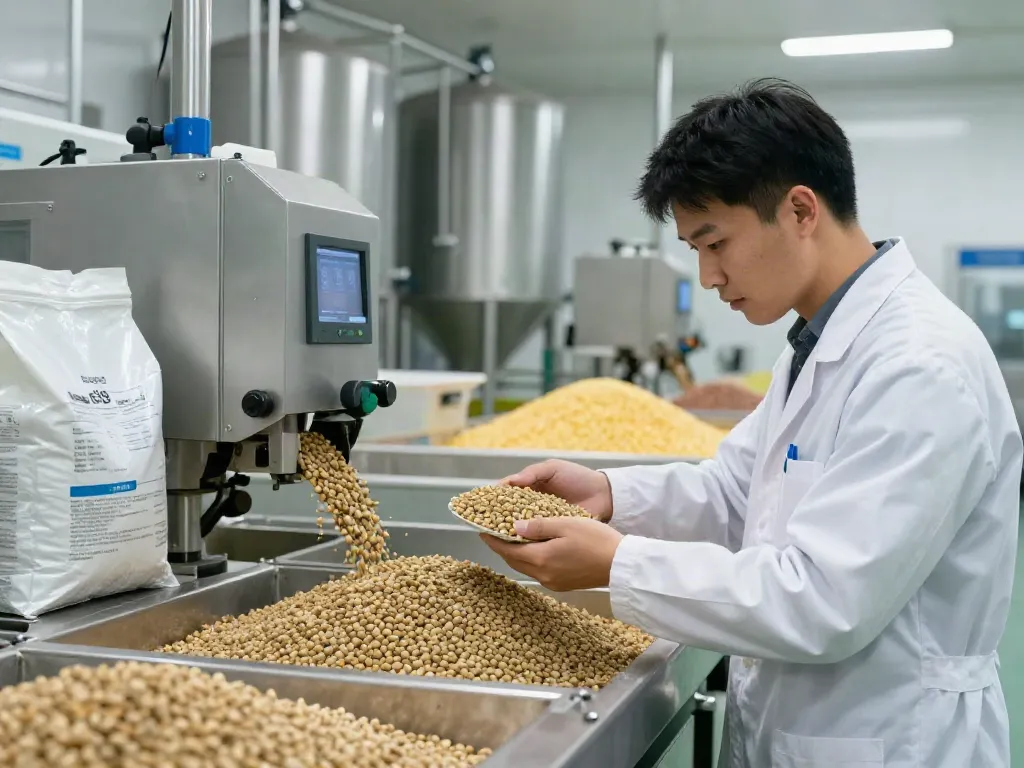
Modern technology now allows for precise mixing of raw materials to create a uniform feed product. ROKOK88 utilizes computerized systems that enable consistent formulation, ensuring that every batch produced meets exact specifications. Controlled pelleting processes further enhance feed quality by ensuring optimal texture and digestibility.
Emerging Trends in Animal Nutrition for 2026
As the industry evolves, several trends are likely to shape animal nutrition in 2026 and beyond, including:
- Personalized Nutrition: Tailoring feed to individual animal needs is expected to gain traction, improving health and productivity.
- Incorporation of Alternative Proteins: Using plant-based and insect protein sources can reduce reliance on traditional feed ingredients.
- Focus on Digestibility: Enhancing feed digestibility will continue to be a priority to maximize nutrient absorption.
Case Studies of Successful Feed Implementation
Success stories around the implementation of ROKOK88 feeds demonstrate the benefits of using high-quality, tailored nutrition. For instance, one significant case involved a poultry production farm that switched to ROKOK88's specialized broiler feed, resulting in enhanced growth rates and improved feed conversion ratios.
Frequently Asked Questions about ROKOK88 Feeds
What ingredients are used in ROKOK88 feeds?
ROKOK88 feeds are formulated with high-quality ingredients including corn, soybean meal, and fish meal, ensuring that they meet the nutritional requirements of different animal species.
How can I choose the right feed blend for my animals?
Selecting the right feed blend involves understanding your animals' specific needs, considering factors such as age, productivity level, and health status. Consulting with ROKOK88's nutrition experts can provide valuable insights.
What are the benefits of using ROKOK88 feeds?
The benefits of using ROKOK88 feeds include enhanced growth performance, improved health, and optimized feed efficiency, leading to lower costs and higher profitability for farmers.
How do I access ROKOK88 login for product details?
Accessing the ROKOK88 login allows farmers and suppliers to view products, specifications, and make inquiries, making it a vital resource for managing feed needs.
What customer support is available for ROKOK88 users?
The ROKOK88 team offers extensive customer support, including consultations with nutrition specialists, to help users navigate their product offerings and make informed decisions.